A Shattered CFL Is Not a Sweeping Problem: A Room-by-Room Containment Guide
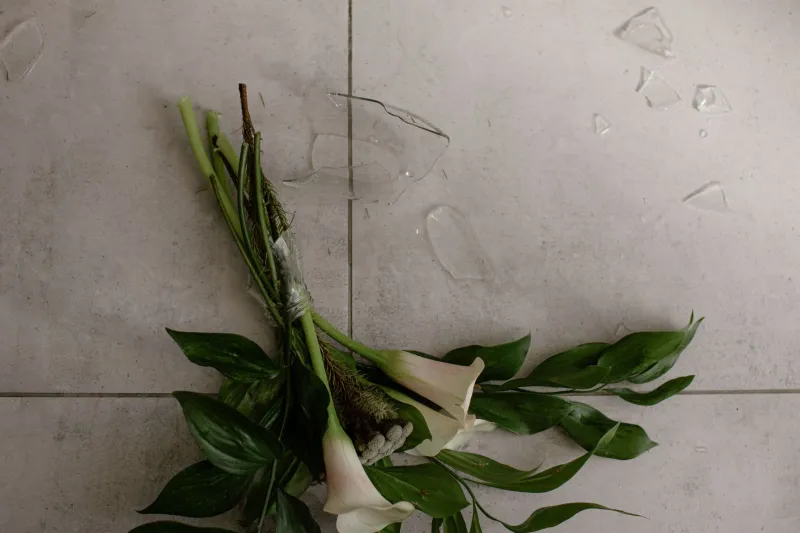
Compact fluorescent lamps contain a small amount of mercury, usually a few milligrams, sealed inside the glass. That quantity is not a reason for alarm, but it is a reason to abandon the instinct to sweep or vacuum. When a CFL shatters, some mercury can vaporize, and fine mercury-containing dust can settle on nearby surfaces. The objective is simple: keep the debris from spreading, avoid actions that aerosolize particles, and route the waste to a permitted household hazardous waste program rather than a curbside bin.
First, stop the spread
Before dealing with the glass, control the room. Send people and pets to another area, and keep children from watching the cleanup. Open a window or exterior door to increase ventilation, and leave it open for the period recommended by your state or local environmental agency. Turn off central heating or air conditioning so the system does not pull dust into ducts or distribute it to other rooms. Do not use a fan to blow debris around.
Put on disposable gloves. Avoid bare hands, and do not eat, drink, or smoke during cleanup. Have a glass jar with a metal lid, two heavy-duty plastic bags, damp paper towels, stiff paper or cardboard, and tape ready before you start. These materials let you pick up debris without crushing it or spreading dust.
Hard floors: lift, tape, and wipe
On tile, linoleum, wood, or concrete, do not sweep. A broom lifts fine dust into the air and pushes mercury particles into cracks. Pick up larger glass fragments with stiff paper or cardboard, working from the outside of the spill toward the center. Place the fragments directly into the glass jar or a heavy-duty bag. Use tape to lift small shards and visible beads of mercury, then place the tape in the same container.
Wipe the area with damp paper towels. Use a fresh towel for each pass, and place used towels in the container. Pay attention to grout lines, floor seams, baseboards, and the edges of area rugs, where particles can collect. Do not use household cleaning sprays or solvents on the spill; they can spread contamination or react with materials. When the surface is clean, seal the container and label it clearly.
Carpets and rugs: containment is harder
Carpet is the most difficult surface because fibers trap dust and glass. Do not vacuum, even with a HEPA filter. A household vacuum can distribute mercury vapor and dust, and the vacuum itself may become contaminated. Pick up visible glass with gloved hands and stiff paper, then use tape and damp paper towels to lift debris from the surface.
If the lamp broke on a carpet or rug and the contamination cannot be removed by careful lifting and wiping, contact your local household hazardous waste program or state environmental agency for guidance. In some cases, a contaminated section of carpet may need to be cut out, sealed, and discarded according to local rules. Do not shake rugs or beat them outdoors. If a vacuum has already been used, stop using it, place it in a sealed bag if local guidance permits, and ask the hazardous waste program how to manage it.
Bedding and soft goods: do not launder in a home machine
If bedding, clothing, or other soft goods come into direct contact with broken lamp debris, do not shake them and do not wash them in a household washing machine. Mercury can contaminate the machine and the wastewater pathway. Place the items in a heavy-duty plastic bag, seal it, and follow local hazardous waste instructions. In many jurisdictions, contaminated soft goods are discarded rather than laundered. If the items are only near the spill and not directly contaminated, keep them away from the cleanup area until the room has been ventilated and surfaces have been cleaned.
HVAC-adjacent spaces: protect the air path
If the lamp breaks near a return-air vent, supply register, or HVAC closet, turn off the system immediately and keep it off until cleanup is complete. Do not run the fan to clear the room. If debris may have entered a register or duct, do not attempt to vacuum it out with a household machine. Seal the area with plastic sheeting and tape if practical, and consult an HVAC professional or your state environmental agency about inspection and filter replacement.
When changing a filter that may be contaminated, wear gloves and avoid shaking or crushing the filter. Place it in a sealed bag and follow hazardous waste guidance. A central vacuum system should not be used for cleanup.
Packaging and disposal
Place all glass, tape, paper towels, gloves, and other cleanup materials in a glass jar with a metal lid or in two heavy-duty plastic bags. Seal each bag, then seal the outer bag. Label the package clearly with words such as 'broken CFL - mercury' and keep it out of reach of children and pets. Do not put broken CFLs in curbside recycling or ordinary trash. Many retail take-back bins are designed for intact lamps and may not accept broken ones, so call ahead before transporting the package. Take it to a household hazardous waste collection site or a program that explicitly accepts broken mercury lamps.
Common mistakes that make exposure worse
The most serious error is vacuuming. Sweeping is the second. Both lift fine particles into the air and spread them across the room. Other mistakes include using bare hands, running the HVAC system, putting debris in a kitchen or bathroom trash can, pouring mercury down a drain, and using ordinary cleaning chemicals on the spill. Do not leave broken glass or dust for later, and do not let children or pets re-enter the room until cleanup and ventilation are complete.
A broken CFL is a small-scale hazardous waste event, not a household mess to be brushed away. Slow, contained handling and a call to the local hazardous waste program are the most reliable steps for protecting the indoor air and the people who share it.