The Label Says Recyclable. The Sorting Line Says Otherwise: A Science Check on LED Lamp Recovery
A shopper standing in a hardware aisle in 2026 confronts a shelf of LED lamps bearing a chasing-arrows symbol and a word like “recyclable” printed on the carton. The claim is not false in any strict sense. Nearly every component inside that lamp can, in principle, be recovered. What the claim does not disclose is where the recovery happens, who pays for it, and whether the lamp will ever reach a facility capable of doing the work.
That gap between technical possibility and material reality is the subject of a growing body of criticism from waste professionals, and it deserves a straightforward scientific examination.
What Is Actually Inside a Dead LED Lamp
A typical screw-base LED lamp is a composite of materials with very different recovery pathways.
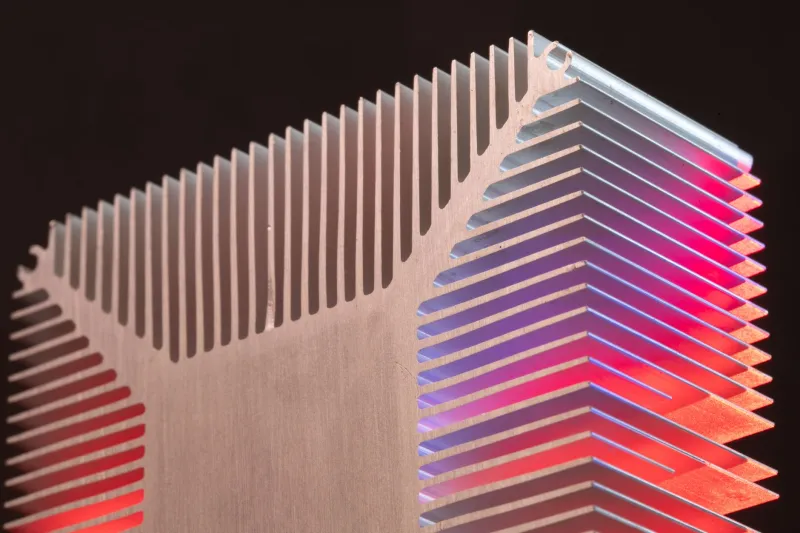
- The heat sink. Usually die-cast or stamped aluminum, often the single largest mass fraction of the lamp. Aluminum is one of the most reliably recycled commodities in the world.
- The globe or diffuser. Polycarbonate, acrylic, or in some designs glass. Polycarbonate has a mature recycling market; mixed and contaminated plastics frequently do not.
- The LED packages. Small ceramic or plastic-bodied diodes with a phosphor coating and a sapphire or silicon carbide substrate. The phosphor contains rare-earth elements in small quantities.
- The driver board. A printed circuit board with capacitors, resistors, and an integrated circuit. This is electronic waste by any definition, and it contains copper, tin, silver, and small amounts of other metals.
- The screw base and contacts. Aluminum, brass, or a nickel-plated alloy, depending on the design.
The overall picture is favorable: an LED lamp is largely metal and plastic, both of which have established recovery markets. The difficulty is not metallurgy. It is logistics.
Why the Curbside Bin Fails Small Lamps
Material recovery facilities sort containers by shape, size, and, increasingly, by optical and robotic recognition. A lamp presents several problems at once.
First, it is small and three-dimensional. Screens and air classifiers calibrated for bottles and jars tend to either drop lamps through or fling them into the wrong stream. Second, lamp glass is not container glass. Soda-lime container glass and the glass or polycarbonate used in lamps have different chemistries and melting behavior; a small quantity of lamp material in a container-glass batch is a contamination problem, not a feedstock. Third, and most decisively, the driver board is a piece of electronics in a stream that is not designed to capture electronics. Facilities that do recover small electronics generally do so through separate programs, not the residential recycling cart.
Add the economics. A single LED lamp weighs a few ounces. The revenue from its aluminum content is measured in fractions of a cent. Collection and transport dominate the cost equation, which means the material only moves when a program, a retailer, or a manufacturer is paying for the collection — not when the value of the recovered metal alone justifies the trip.
Technically Recyclable, Practically Recycled
Several processes can handle LED lamps at commercial scale. Aluminum smelters accept the heat sinks. Certified electronic-waste processors shred and separate the driver boards and the metal fraction together. Some facilities have piloted phosphor separation to recover rare-earth content, and research on rare-earth recovery from lamp phosphor is well established in the literature, but commercial availability remains limited and concentrated in a small number of operators.
The regulatory landscape explains part of the inconsistency. A large number of states restrict disposal of mercury-containing lamps, which is why fluorescent tubes and CFLs have an infrastructure, however imperfect, built around them. LED lamps contain no mercury, so they fall outside those specific rules. They are also too small to be captured by most state electronic-waste laws, which typically enumerate computers, televisions, and monitors. The result is a category of product that is neither covered by lamp-hazard rules nor by mainstream e-waste rules.
How to Read a Recyclability Claim Like a Scientist
The Federal Trade Commission's Green Guides, which govern environmental marketing claims, direct marketers to qualify a recyclability claim when recycling facilities are not available to a substantial majority of consumers. A well-qualified claim says something specific: accepted at these locations, through this program, in these states. A bare symbol on a carton does none of that.
Three questions separate a substantive claim from a decorative one:
- Where? Does the packaging name a specific collection network, or does it gesture at recycling in general?
- Who verifies? Does the downstream processor hold a third-party certification such as R2 or e-Stewards, or is the program self-certified?
- What fraction? Does the manufacturer state what percentage of the lamp by mass is actually recovered, as distinct from what is technically recoverable?
A claim that answers none of these is a marketing statement, not a materials-handling commitment.
Verifying a Drop-Off or Mail-Back Program
Before committing a box of lamps to a program, a few questions by phone or email will establish whether the route is real. Ask whether LED lamps are accepted alongside fluorescent lamps, since many collection sites are set up for the latter and will quietly refuse the former. Ask whether consumers must disassemble anything; they should not. Ask where the material goes after the collection site and whether the program can name its downstream processor. A legitimate operator will answer.
What Facilities Can Do Differently
A household has limited leverage, but a building, campus, or retail chain does not. Procurement language can require take-back at end of life and a certificate of recycling for each shipment. Because facilities aggregate volume, they can reach the tonnage at which collection cost per lamp falls enough to make a mail-back or dedicated pickup economically sensible. A facilities team that weighs its lamp stream for a quarter has an argument that a single household never will.
The broader point is that “recyclable” describes a material property, not a guaranteed outcome. Aluminum in a dead lamp will be recycled only if someone collects the lamp, transports it, and feeds it to a processor. Until that chain exists at scale, the claim on the carton is an invitation to look for the chain rather than a promise that one is there.