The Holding Zone: A 2026 Household Protocol for Spent Lamps Before Recycling Day
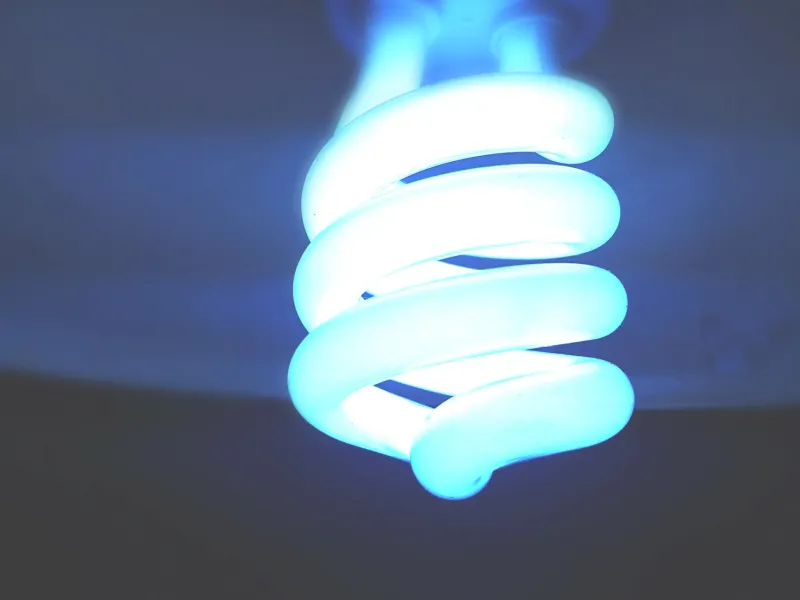
A spent compact fluorescent lamp is easy to set aside. A spent linear fluorescent tube is harder to ignore, but not by much. In many US homes, the result is a shelf, corner, or cardboard box where lamps accumulate between hazardous-waste drop-off days. The basement bulb cemetery is a common solution, but it is not a plan. A better approach is a small, deliberate holding zone: a place where lamps are inventoried, packaged, labeled, and kept intact until they can move into a proper recycling or household hazardous-waste channel.
Why a holding zone, not a junk shelf
Intact mercury-containing lamps are not a significant source of mercury vapor in ordinary storage. The risk rises when lamps break, especially in enclosed spaces where fragments can scatter and vapor can accumulate. Storage therefore has two jobs: prevent breakage and keep any breakage contained. A holding zone also solves a practical problem. Many US household hazardous-waste programs operate on limited schedules, require appointments, or accept only certain lamp types. A household that knows what it has, and how it is packaged, can use those windows efficiently instead of arriving with a loose bundle of tubes and a shopping bag of CFLs.
Treat the holding zone as a temporary transfer station, not a permanent disposal site. The goal is to keep lamps dry, stable, and out of daily traffic until the next legitimate handoff.
Step 1: Inventory before you store
Start with a simple log. Record the date each lamp is added, the lamp type, approximate length or wattage, condition, and the room it came from. For linear tubes, note whether the lamp is intact or has a cracked end. For CFLs, note whether the glass is intact and whether the plastic base is attached. Keep the log near the container, or tape a small inventory card to the lid. A photograph of the lamp label can help if a recycler asks for details later.
An inventory does more than satisfy neatness. It reveals when the holding zone is approaching a drop-off limit and helps a household avoid mixing broken lamps with intact ones. It also supports mail-back decisions, because some programs accept only intact lamps in specified packaging.
Step 2: Choose a stable location
Select a cool, dry, ventilated location that is out of the way of children, pets, and daily foot traffic. A basement shelf with a lip, a locked cabinet in a garage, or a lidded tote in a utility area can work. Avoid damp concrete floors, flood-prone corners, laundry rooms with heavy moisture, and spaces near furnaces, space heaters, or flammable materials. A garage is acceptable when temperatures are moderate and the container is secure; a hot car is not a storage location.
Do not store lamps in kitchens, bedrooms, or areas where food is prepared. Keep the holding zone separate from ordinary recyclables and trash. The container should be sturdy enough that a bump does not send glass onto the floor.
Step 3: Package intact lamps
Original packaging is the best packaging. CFLs can remain in their retail boxes or rigid clamshells. Linear tubes should stay in their cardboard sleeves when possible. If the original sleeve is gone, use a fluorescent-tube sleeve or a rigid box with enough cushioning to prevent flexing. Do not tape lamps together, and do not overfill a container until the lids strain.
A lidded plastic tote lined with a towel or newspaper can serve as a secondary container. Stand tubes upright or lay them flat in a way that prevents rolling. Label the outside clearly: 'Mercury-containing lamps — intact — handle with care.' Keep the label simple and visible. If the container holds different lamp types, note that inside the lid or on the inventory card.
Step 4: Isolate broken lamps
A broken lamp changes the storage problem. Ventilate the room, keep people and pets away, and follow current EPA guidance for broken CFLs. Do not vacuum the debris. Use stiff paper or cardboard to scoop up fragments, then use tape to lift smaller pieces and a damp paper towel for the final pass. Place the debris in a glass jar with a metal lid or a sealed heavy-duty plastic bag, and put that inside a rigid container.
Label the container 'Broken mercury lamp — do not vacuum.' Store it separately from intact lamps, preferably on a lower shelf or inside a secondary tub. If a tube breaks, wear gloves and avoid bare-hand contact with glass and phosphor powder. Call the intended recycler or household hazardous-waste program before the drop-off to confirm whether broken lamps are accepted and how they should be presented.
Step 5: Label, secure, and review
Every holding container should answer three questions: what is inside, when it was added, and whether it is intact. Use a permanent marker and a label that will not fall off. Secure lids with tape if necessary, but do not seal a container so tightly that staff cannot inspect it. Keep the inventory current. Once or twice a year, review the holding zone for damage, moisture, or outdated drop-off information.
Step 6: Plan the handoff
Before transport, call the household hazardous-waste facility or recycler. Ask which lamp types are accepted, whether broken lamps are allowed, whether there are quantity limits, whether an appointment is required, and whether a fee applies. Some municipal programs hold seasonal collection events; some retailers accept limited CFLs; some mail-back kits accept only intact lamps in the manufacturer's packaging. Do not assume curbside recycling accepts mercury-containing lamps unless the local program explicitly says so.
For transport, keep containers upright and secured so they cannot roll or tip. Avoid leaving lamps in a hot vehicle for extended periods. Bring gloves for handling and keep broken lamps in their separate container. If using a mail-back option, follow the kit instructions exactly and do not send damaged lamps unless the program permits it.
The payoff of a managed holding zone
A holding zone does not make mercury lamps harmless, and it does not replace a proper recycling program. It does reduce the most common household failure: a loose lamp that breaks before it ever reaches a recycler. With a log, a stable shelf, rigid packaging, and a clear label, the basement cemetery becomes a short-term staging area. That is a modest habit, but in 2026 it is one of the simplest ways for US households to keep spent lamps out of the trash and out of the vacuum cleaner.