Before the Truck Leaves: A Spent-Lamp Transport Audit for US Facilities
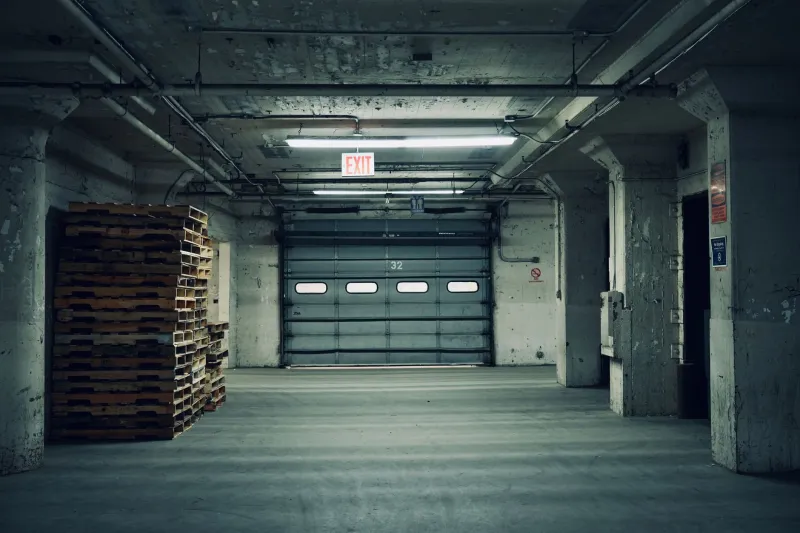
Most spent-lamp programs focus on the closet and the recycler. The loading dock is the gap between them. It is where intact lamps become broken lamps, where labels go missing, and where a driver with a packed truck makes a split-second decision about whether to take a container that does not meet the hauler's own rules. A tidy-looking handoff is not the same as a controlled one. The checklist below is designed for US facilities that generate spent fluorescent and HID lamps and need the transfer step to be as deliberate as storage and recycling.
Package for the trip, not just the closet
Original lamp boxes are still the best packaging for intact lamps. Keep lamps vertical, keep end caps in place, and do not telescope boxes to save space; a box that is too short puts pressure on the lamp ends and invites breakage. If original packaging is unavailable, use rigid containers with closed lids and enough cushioning to prevent glass-to-glass contact. Label the outside with the facility name, contents, and the applicable universal waste marking required by the state. Keep containers closed except when adding lamps. Broken lamps should not be tossed into the same container as intact lamps unless the state program and the recycler explicitly allow it; in many cases, broken lamps need separate containment and evaluation.
Ask the hauler before the first pickup
A hauler's website is not a substitute for a pre-pickup conversation. Ask whether the company is registered or permitted for the states on the route, whether it accepts intact and crushed lamps, and what it does with broken lamps. Ask what packaging it requires, whether it supplies containers, and how it documents the destination. Ask whether the driver will reject a container that is overfilled, unlabeled, or wet. Ask for a sample certificate of recycling and a sample bill of lading. Ask how the company trains drivers to handle lamp containers and what it does if a box breaks during loading. A hauler that cannot answer these questions is not necessarily illegal, but the facility is accepting an unmeasured risk.
Keep records that match the handoff
Universal waste shipments do not always use a hazardous waste manifest, but that does not mean records are optional. Keep a pickup log with the date, time, container count, estimated weight, hauler name, driver name, and destination. Keep signed bills of lading, weight tickets, and certificates of recycling. If the state requires accumulation start dates, make sure the date on the container matches the log. Photograph containers before they leave the dock, especially if they are stacked or wrapped. If a container is rejected, record why and what was done with the lamps. These records are not paperwork for its own sake; they are how a facility proves that a tidy dock did not hide an unmanaged release.
Spot the handoff that looks tidy but is not
Watch for containers stacked above eye level, unlabeled boxes, open lids, and lamps leaning against a wall. Watch for a driver who loads boxes without checking for broken glass or who commingles lamp containers with general trash. Watch for a truck that leaves without a bill of lading or with a destination that is described only as 'the recycler.' A transfer station is not a recycling facility unless the downstream chain is documented. A crushed-lamp drum with no filter log is not a controlled system. The warning signs are usually ordinary: haste, missing labels, and a belief that because the lamps are leaving the building, the mercury problem has left with them.
A simple pre-departure routine
Before the truck arrives, assign one person to inspect containers, verify labels, count boxes, and confirm the pickup appointment. Keep a breakage kit at the dock. Do not let lamps wait outside in rain or heat. Do not use the dock as overflow storage. After loading, get the signed paperwork before the truck leaves, not later by email. The goal is not a perfect dock; it is a handoff in which every container can be traced from the facility to a recycler, and every broken lamp has a documented response. That is the difference between a loading dock and a leak in the chain.