The Ballast Blind Spot: Screening Older US Fluorescent Fixtures for PCBs Before Retrofit
A fluorescent lighting retrofit is usually described in visible parts: lamps removed, fixtures replaced, energy use reduced. The ballast is easy to overlook because it sits inside the fixture and looks like ordinary electrical equipment. In older US buildings, however, the ballast can be the more complicated waste stream. Some magnetic ballasts manufactured before the late 1970s contain polychlorinated biphenyls, or PCBs, in their capacitors. When a facility plans a 2026 retrofit, the lamp is only half the disposal story.
Why ballasts deserve their own review
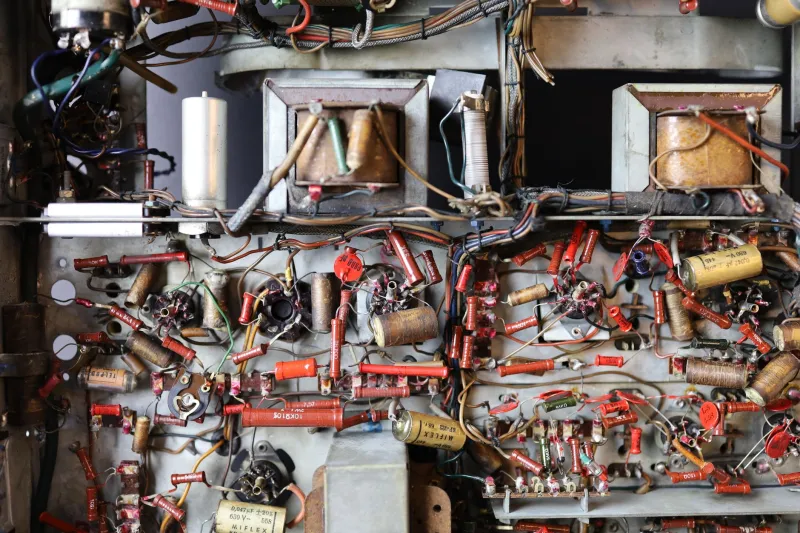
A fluorescent ballast regulates the current that starts and runs the lamp. Older magnetic ballasts are heavy, often hum, and may contain a tar-like potting compound and a capacitor. PCBs were used in some capacitors because of their insulating properties. The US manufacture of PCB-containing ballasts largely ended around 1979 under the Toxic Substances Control Act, but that date is a screening tool, not a guarantee. Fixtures installed before 1979 may still contain original ballasts. Fixtures installed later may contain older replacement ballasts, or ballasts whose labels have been painted over, removed, or obscured.
The lamp and the ballast are separate waste problems. Lamps contain mercury and are handled through mercury-lamp recycling or household hazardous-waste channels. Ballasts may contain PCBs and fall under a different regulatory framework. A lamp recycler may accept lamps but not ballasts unless the contract specifically covers them. A facility that mixes the two streams can create handling and recordkeeping problems that are easier to prevent than to unwind.
Identifying suspect ballasts
Start with a fixture-level inventory. Record the building, room, fixture type, approximate installation date, ballast label, and date code where visible. Photograph labels before they are disturbed. Look for the words 'PCB', 'No PCBs', or 'PCB-free' on the ballast. A label stating that the ballast contains no PCBs is useful, but it should be read carefully and documented. The absence of a label on an older magnetic ballast is a reason to treat the unit as suspect until a disposal pathway or laboratory result says otherwise.
Physical appearance can support the inventory but cannot replace it. Magnetic ballasts are generally heavier and may have a tar-like fill; electronic ballasts are lighter and more compact. Weight and sound are clues, not proof. Do not remove or open a capacitor in the field to check for PCB liquid. If a ballast is leaking, stop handling it, isolate the area, ventilate, and contact the waste contractor. PCB-containing oil can be absorbed through skin and can contaminate porous surfaces.
Testing and documentation questions
When a facility finds suspect ballasts, the next question is whether testing is needed and how it will be documented. Ask the laboratory or waste contractor which analytical method will be used, what detection limit applies, and whether the sample is a single ballast or a composite. Composite sampling can dilute a positive result and may not reflect the range of ballasts in a building. Ask how the chain of custody will be maintained and whether the report identifies the specific fixture or inventory group.
Also ask whether field screening is being used and what it can and cannot prove. A screening result may guide segregation, but a regulatory determination may require confirmation. If a ballast is leaking, sampling should be handled by trained personnel with appropriate protective equipment and containment. The goal is not to create a laboratory project for every fixture; it is to establish a defensible pathway for the suspect units before they leave the building.
Disposal and regulatory questions
PCB waste disposal is regulated under TSCA, and state rules may be stricter. Ask the recycler or waste contractor whether it is permitted to handle PCB ballasts, where the downstream disposal facility is located, and what type of facility will receive the material. Ask whether the contractor segregates PCB-containing, PCB-free, and unknown ballasts, and how it handles leaking units. Request certificates of disposal or destruction, manifests, and weight tickets that match the inventory.
Do not assume that a municipal landfill, a scrap metal dealer, or a dumpster is an acceptable destination for suspect ballasts. Do not assume that a lamp recycling vendor automatically accepts ballasts. Confirm packaging requirements, labeling, transport documentation, and record retention. If the facility has a large retrofit, ask for a written waste characterization plan before the first fixture comes down.
Sequencing the retrofit
Ballast planning belongs in the pre-retrofit schedule, not in the final cleanup. Inventory suspect fixtures first. Determine which ballasts will be tested, which will be handled as PCB-containing, and which have credible 'No PCBs' labels. Contract the disposal pathway before demolition. During removal, de-energize and lock out the fixture, keep ballasts intact, and avoid dropping or crushing them. Segregate ballasts by label and age, and label containers clearly as suspect PCB ballast unless the waste contractor directs otherwise.
Train the crew on what to do if a ballast leaks or a label is discovered after removal. Keep lamps and ballasts in separate containers so that a mercury-lamp recycler is not asked to manage a PCB waste stream. At the end of the project, reconcile the number of suspect ballasts removed against the number shipped for disposal. That reconciliation is the simplest check against a ballast disappearing into the general construction debris.
The planning takeaway
A lighting retrofit is not complete when the new fixtures are installed. It is complete when every waste stream has a documented destination. For older US fluorescent fixtures, that means treating the ballast as a distinct item with its own identification, testing, and disposal questions. The bulb may be the visible part of the fixture, but the ballast is where careful planning earns its keep.